
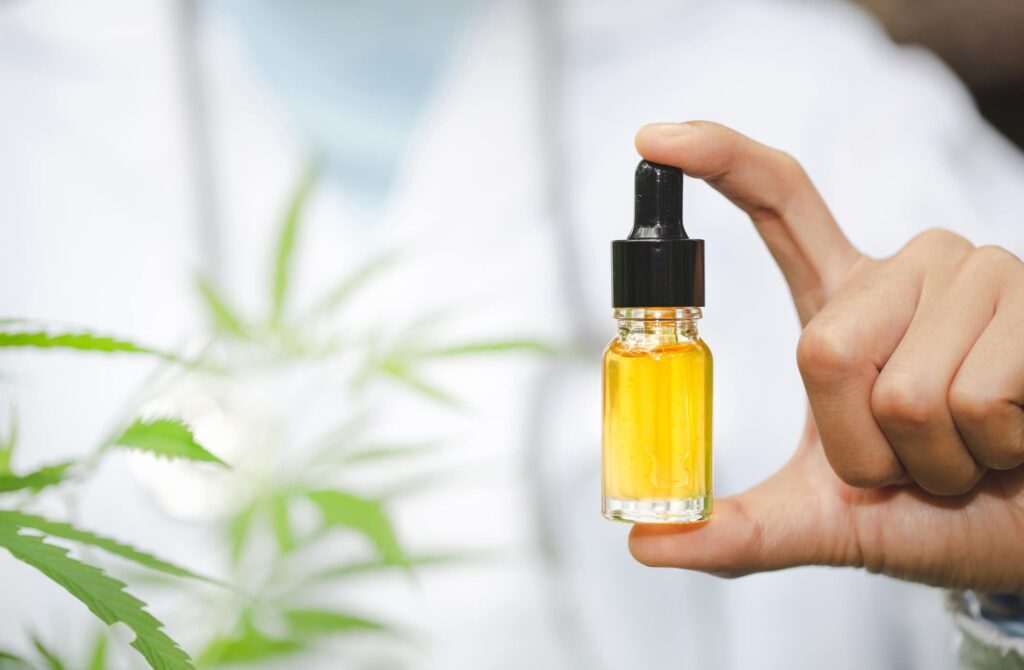
CBD oil has rapidly become one of the most talked-about wellness products in recent years. From stress relief to better sleep, people are turning to CBD for a variety of reasons. However, one question continues to come up—does CBD oil get you high?
This blog breaks down the myths and facts surrounding CBD oil, helping you understand what it really does, how it works, and what you can expect when using it.
Understanding CBD Oil and How It Works
Before answering whether CBD oil can make you feel high, it’s important to understand what CBD actually is.
CBD, short for cannabidiol, is a naturally occurring compound found in the hemp plant. It is one of over 100 cannabinoids, but unlike THC (tetrahydrocannabinol), CBD does not produce intoxicating effects.
CBD interacts with the body’s endocannabinoid system (ECS), which helps regulate functions like mood, sleep, pain, and immune response. Instead of altering your mental state, CBD supports balance within the body.
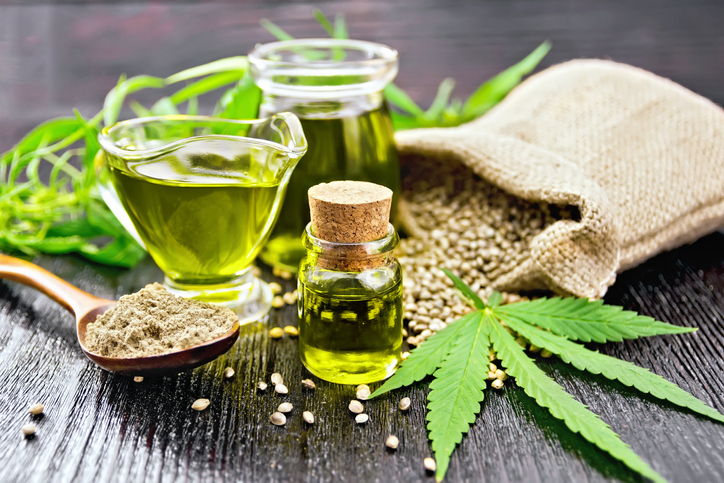
What Does “Getting High” Actually Mean?
To understand the difference, we need to define what “getting high” involves.
The Role of THC
The feeling of being “high” is typically caused by THC, the psychoactive compound in cannabis. THC binds directly to receptors in the brain, leading to effects such as euphoria, altered perception, and impaired coordination.
CBD vs THC Interaction
CBD works differently. It does not bind strongly to these receptors and may even counteract some of THC’s psychoactive effects. This is why CBD is often described as non-intoxicating.
Myth vs Fact: Does CBD Oil Get You High?
There are many misconceptions about CBD oil, especially for first-time users. Let’s separate myths from facts.
Myth 1: CBD Oil Makes You Feel High
This is the most common misconception.
Fact
CBD oil does not produce a high. It does not have the psychoactive properties needed to cause euphoria or intoxication. Most users report feeling relaxed or calm, not altered or impaired.
Myth 2: All Cannabis Products Are the Same
Fact
Not all cannabis-derived products are equal. CBD oil derived from hemp contains very low levels of THC (typically less than 0.3% in many regions), which is not enough to create a high.
Myth 3: You’ll Lose Control or Feel “Out of It”
Fact
CBD is widely used for its calming effects without affecting mental clarity. Many people use it during the day while working, studying, or exercising.
Types of CBD Oil and Their Effects
Not all CBD oils are formulated the same way, and understanding the differences can help you choose the right product.
Full-Spectrum CBD Oil
This type contains all cannabinoids found in the hemp plant, including trace amounts of THC. While it offers the “entourage effect,” it still does not produce a high when used as directed.
Broad-Spectrum CBD Oil
Broad-spectrum CBD includes multiple cannabinoids but is typically THC-free. It’s a great option for those who want the benefits of multiple compounds without any THC exposure.
CBD Isolate
CBD isolate is the purest form of CBD, containing 0% THC. It is ideal for users who want to completely avoid THC.
Why Some People Think CBD Gets You High
Despite the facts, confusion still exists. Here are some reasons why.
Mislabeling or Low-Quality Products
Some products on the market may contain higher THC levels than advertised. This is why choosing third-party tested CBD oil is essential.
Confusion with Marijuana
CBD is often associated with cannabis as a whole, leading people to assume all cannabis products cause a high.
Individual Sensitivity
While CBD itself doesn’t cause a high, some users may feel relaxed, sleepy, or slightly different—especially when taking higher doses. These effects are mild and not comparable to THC intoxication.
Benefits of CBD Oil Without the High
One of the main reasons CBD oil is so popular is because it offers potential benefits without impairing your mind.
Stress and Anxiety Support
CBD may help promote a sense of calm and relaxation, making it a popular choice for managing everyday stress.
Better Sleep
Many users report improved sleep quality after incorporating CBD into their routine.
Pain and Inflammation Relief
CBD is often used for its potential anti-inflammatory properties, helping with muscle soreness and chronic pain.
Focus and Clarity
Unlike THC, CBD does not interfere with cognitive function. In fact, some users find it helps them stay focused and balanced.
Is CBD Oil Safe to Use Daily?
CBD oil is generally considered safe for regular use when taken in appropriate doses. However, there are a few things to keep in mind.
Start with a Low Dose
If you’re new to CBD, begin with a small amount and gradually increase until you find what works best for you.
Check Lab Reports
Always look for third-party lab testing to ensure the product contains the advertised amount of CBD and minimal THC.
Consult a Professional
If you’re taking medications or have underlying health conditions, it’s best to consult a healthcare professional before using CBD.
Legal Considerations You Should Know
CBD laws vary depending on your location. In many regions, hemp-derived CBD oil with low THC content is legal, but it’s important to verify local regulations before purchasing or using it.
Understanding legality also helps ensure you’re buying safe, compliant products from reputable sources.
Read Also : The Role of Carrier Oils in CBD Products: Why They Matter for Absorption
Final Thoughts: CBD Oil and the Truth About Getting High
So, does CBD oil get you high? The simple answer is no. CBD is a non-psychoactive compound that works with your body to promote balance and well-being without causing intoxication.
The confusion often comes from its association with cannabis and the presence of THC in some products. By choosing high-quality, lab-tested CBD oil and understanding the different types available, you can confidently enjoy its benefits without worrying about unwanted effects.
Whether you’re exploring CBD for stress relief, sleep, or overall wellness, knowing the facts empowers you to make informed decisions.